
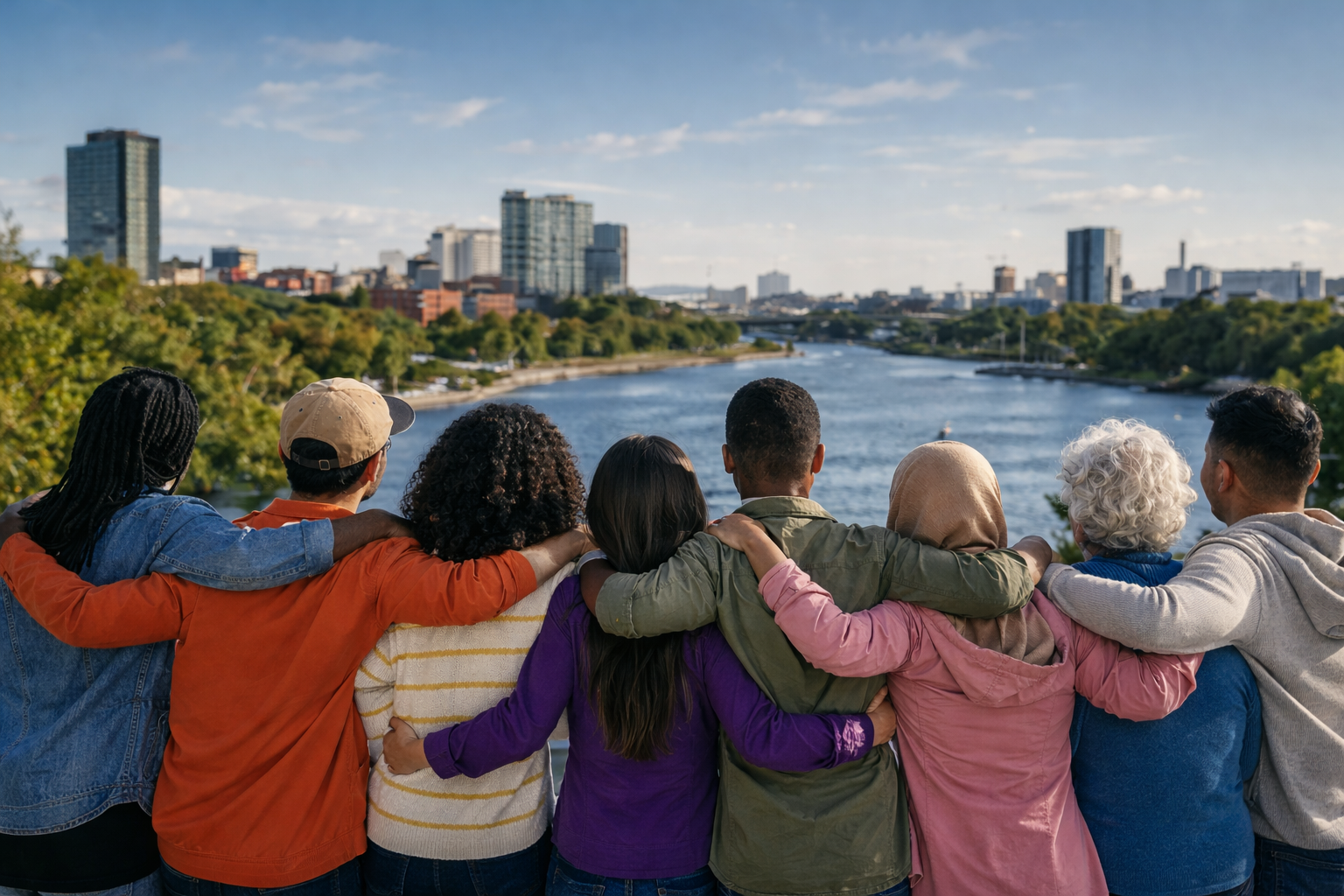
Community Voices
Because the people most affected by cities know them best.
THE CHALLENGE
Who gets to speak about cities, and who does not.
Urban planning has a participation problem. The voices that most consistently shape city policy are professional, credentialed, and concentrated in the Global North. The voices of the residents who actually live with the consequences of planning decisions are systematically left out.
“This is not just an equity problem. It is an accuracy problem. When community knowledge is absent, planners miss solutions that communities have been implementing for decades.“
Community Voices exists to change that. We work directly with residents to document neighborhood life, surface underheard perspectives, and ensure that at least 40% of all content on The Urban Folder comes from the people who live in cities — not just the professionals who plan them.
HOW IT WORKS
From lived experience to public knowledge.
1
Community Correspondent Recruitment
We recruit hyperlocal correspondents in cities across the globe, prioritizing underserved neighborhoods and communities historically excluded from urban planning conversations. No formal planning credentials required — only lived experience and a willingness to share it.
2
Journalism & Documentation Training
Each correspondent receives structured training in community journalism, ethical documentation, and how to frame local stories for a global audience without losing their authentic voice. Training covers storytelling, photography, interview techniques, and ethical reporting.
3
Editorial Mentorship
Every correspondent is paired with a volunteer editorial mentor — an experienced urban practitioner or journalist — who provides feedback and developmental support without overwriting the correspondent’s authentic community perspective. The voice stays theirs.
4
Content Distribution
Reviewed and refined community stories are published on The Urban Folder’s platform and distributed to our global audience of planners, policymakers, researchers, and urban professionals — ensuring community knowledge reaches the people with the power to act on it.
WHY IT MATTERS

Community knowledge is urban expertise
Lived Experience as Planning Data
A resident documenting decades of community-managed drainage is producing planning intelligence that no consultant report can replicate. Community Voices treats this knowledge as what it is — data — and makes it available to planners who need it.
Solutions, Not Just Stories
Community Voices captures what communities are already doing to manage their urban challenges — and connects those solutions to practitioners who can scale them. Every story is a potential model for another city facing the same problem.
Closing the Knowledge Gap
When only credentialed professionals define urban problems, the solutions they produce miss the mark. Community Voices brings the missing piece of urban knowledge into the conversation — the knowledge held by the people cities are built for.
Building Local Capacity
Training community correspondents does more than produce content. It builds a generation of community advocates who understand how to document, communicate, and advocate for their neighborhoods in the language planners and policymakers respond to.
WHO WE FEATURE
Every city. Every voice. Every story.
Community Voices welcomes stories from anyone with direct lived experience of urban life, not just formal community leaders or advocacy professionals. If you live in a city and have something to say about how it works, we want to hear from you.
Residents & Neighbors
People who navigate urban systems every day — transport, housing, markets, public spaces — and understand how cities actually function from the ground up.
Community Organizers
Leaders who mobilize neighborhoods around shared challenges and have built solutions that formal planning processes never captured or credited.
Artists & Cultural Workers
Creatives who document urban change through art, performance, and cultural practice — producing insights no survey or data set can generate.
Informal Economy Workers
Traders, vendors, and small business owners who understand urban economic ecosystems and the gaps formal policy consistently fails to address.
Young People
Youth who will inherit the cities being planned today — and who have perspectives on urban futures that planning processes rarely invite or incorporate.
Elders & Long-Term Residents
People with decades of knowledge about how neighborhoods have changed — what was lost, what worked, and what communities built before the planners arrived.
WHAT WE NEED FROM YOU
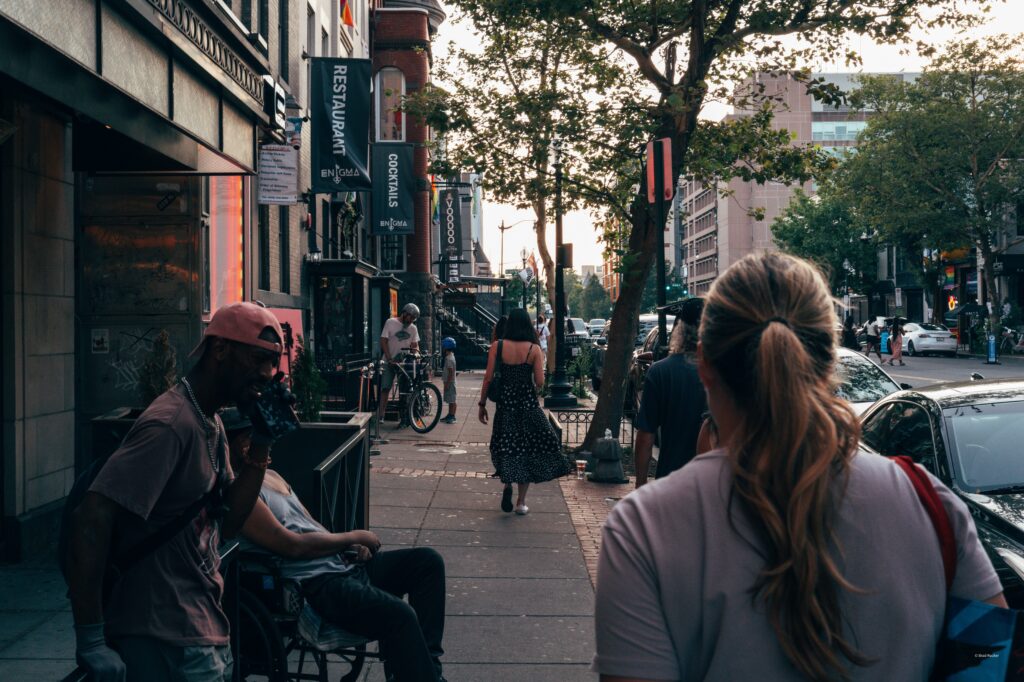
Your story. Your words. Your city.
You do not need to be a journalist, an academic, or a planning professional to contribute to Community Voices. You need to have lived it.
- A story about how your community navigates an urban challenge — housing, transport, water, waste, public space, safety, economy.
- A solution your neighborhood has built that planners and policymakers have never noticed or credited.
- A perspective on how planning decisions — good or bad — have shaped your daily life.
- A historical account of how your community or neighborhood has changed over time.
- A critique, a celebration, a warning, or a recommendation — from someone who actually lives it.
Your city has a story worth telling.
Urban knowledge lives in communities. Community Voices exists to make sure it reaches the people with the power to act on it.